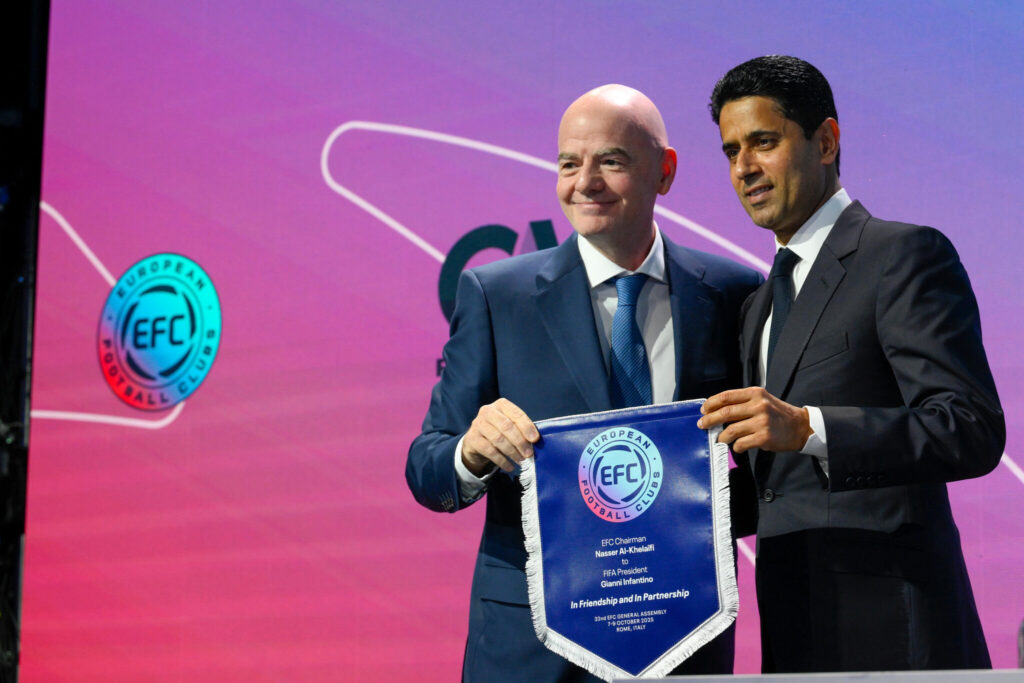

Nasser Al-Khelaifi, chairman of the European Club Association, has announced plans to launch World Football Clubs (WFC) soon. This initiative, described by some as the start of a new confederation, was unveiled at a summit in Copenhagen. The move suggests a significant change in how global football is managed. By including clubs from outside Europe, Al-Khelaifi is establishing a worldwide group of top and developing clubs. The goal is to link teams globally, remove administrative obstacles, and create a strong alternative to FIFA and its president, Gianni Infantino. The formation of WFC means the European structure is now becoming a global one. Instead of just representing European teams within UEFA, this new organization intends to be a platform for clubs everywhere. Al-Khelaifi shared his vision for the project with attendees in Copenhagen.
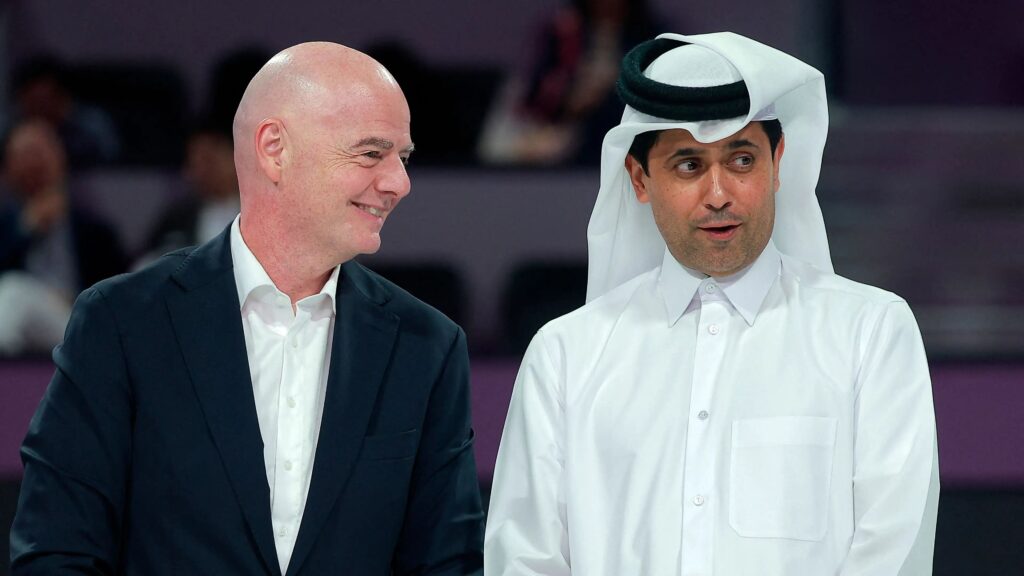
“The EFC has become a global network and platform for clubs to connect to anyone. We create benefits for clubs inside and outside of Europe. That is why now is the time to create World Football Clubs.”
“The EFC’s role is not only to represent clubs through good governance; we will work harder to give every club the chance to succeed. More benefits, more ideas, more innovations.”
WFC offers clubs outside of Europe, in places like South America, Asia, Africa, and North America, a way to tap into European commercial know-how, digital tools, and a unified voice for negotiations. For the big European clubs, it’s a ready-made setup to grow their brands in new markets.
“Football is changing every day. Young people experience football differently from the way many of us did. They move between the physical and digital worlds, without seeing a difference,” Al-Khelaifi stated.
“The relationship between sport, entertainment, media and technology is evolving so fast — and EFC will continue to help all our members adapt, grow, and be fit for the future.”
WFC is aiming for the attention of Gen Z and Gen Alpha fans by concentrating on joint media projects, digital connections that cross borders, and shared technology systems. The core idea behind WFC is a fundamental aspect of today’s football scene: clubs might be based in specific cities, but their business operations and supporter groups are spread worldwide.
“Our clubs today are also more global and more international than ever, whilst still being part of the fabric of their local communities,” Al-Khelaifi emphasized. “Our players, our coaches, our competitions, our fans, our owners, our partners, our footprints, our brands… they all have local roots but global impact. Supporters can follow their club from Copenhagen to Cairo, New York to Tokyo —all with the same feeling as in the stadium.”
While the public narrative suggests Al-Khelaifi is interested in fostering innovation, governance and club co-operation, key figures in Copenhagen see the launch as a politically charged move.
By formalizing a global union of clubs, Al-Khelaifi is in effect creating the sixth confederation in the world, but one in which the clubs hold the power.
As FIFA continues to expand the Club World Cup format and exert control over the domestic calendar, WFC is the clubs’ way of re-establishing their power over international fixtures, broadcasting revenue, and global commercialization.
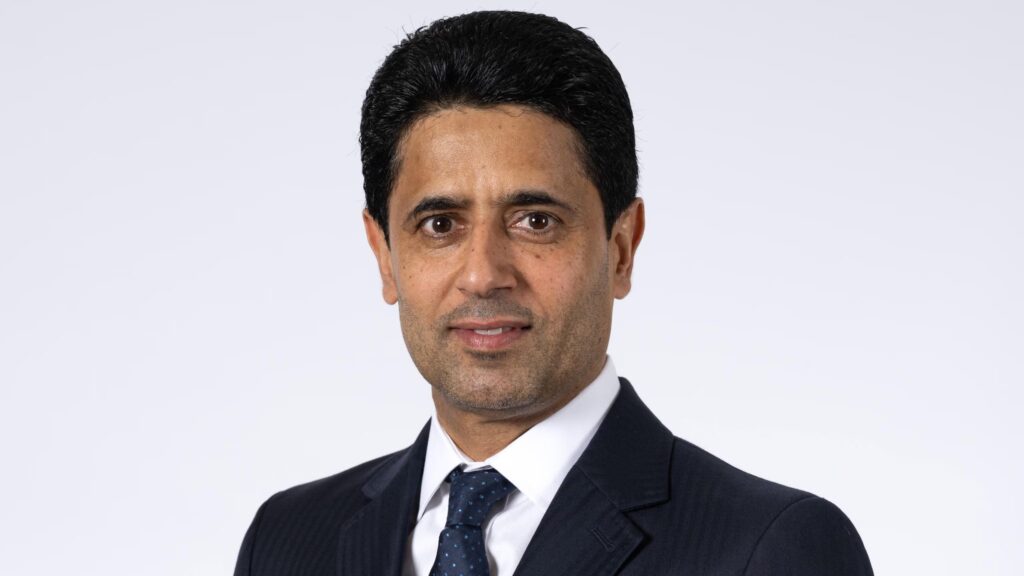
The timing of the WFC launch is expected to accelerate in the coming months as club representatives begin to iron out the nuances of governance, membership and early commercial ventures.
If Al-Khelaifi manages to unite the big names across the South American leagues, Asian leagues, MLS and European leagues, the balance of power around the football world will no longer be in Switzerland but in Copenhagen. The age of club-led football governance has begun.